

Volume 1 Issue 6
Culinary Medicine: A Nourishing Introduction
Metabolic risk factors have risen 50 percent since 1990, while only about 12 percent of Americans eat enough fruit and 10 percent enough vegetables. Culinary medicine pairs evidence-based nutrition counseling with cooking skills, tailored to a patient’s finances and background.
Published: March 6, 2024

How to Introduce Your Colleagues to the Benefits of AI in the Clinical Setting
AI can support clinical care and cut administrative burden, but adoption depends on physicians accepting it. This how-to guide sets out a four-step process for introducing colleagues to AI and showing its practical value.
Published: January 2024

COVID-19’s Current Impact on Telehealth Usage
CMS expanded telehealth reimbursement to all patients regardless of location, raising questions about access and equity. Hispanic, Latino, and Black respondents use video telehealth at significantly lower rates, so leaning harder on it risks disadvantaging those groups.
Published: December 18, 2023

Extracorporeal Pathogen Removal: A New Anti-Microbial Strategy to Combat Sepsis
Sepsis remains lethal, and reliance on broad-spectrum antibiotics fuels resistance, toxicity, and cost. Extracorporeal pathogen removal physically filters pathogens from the bloodstream, sidestepping the resistance problem altogether.
Published: December 14, 2023

School-Based Telemental Health: The Next Step in Child and Adolescent Mental Healthcare
Roughly 1.67 million U.S. children go without needed mental health care, with only about 11 child psychiatrists per 100,000 children, clustered in cities. School-based telemental health uses schools as the access point to reach students remotely.
Published: December 14, 2023
Hospital at Home: A Versatile Care Delivery Model Emerges Amidst COVID-19
Hospital at Home delivers inpatient-level care in the patient’s residence, an alternative to boarding in the emergency department. Under a CMS waiver, 296 hospitals across 37 states have been approved to provide it.
Published: January 23, 2023

Volume 1 Issue 5
“They’re not waking up”: Xylazine Identification is Paramount to Public Health
Xylazine, or “tranq,” increasingly adulterates the opioid supply, causing sedation, respiratory depression, and severe skin ulcers. Naloxone does not reverse it, so recognizing xylazine early matters — otherwise responders delay ventilation while repeating doses that cannot work.
Published: December 14, 2023

The Physician Lead Throughput Model (PLTM): Time for a radical solution?
ED throughput stalls for reasons largely outside ED leadership’s control, leaving physicians idle while beds sit unstaffed and patients wait in the lobby. The Physician Lead Throughput Model puts a flow manager under a lead physician to keep every bed in use.
Published: December 13, 2023

The AI Revolution: Transforming Upper Gastrointestinal Endoscopy
Endoscopy is the gold standard for upper GI disease, but about 11.3 percent of upper GI cancers are missed on first look. Deep learning offers computer-aided detection that resists fatigue, with particular promise for early neoplasia in Barrett’s esophagus.
Published: December 7, 2023

Which Patients with Biliary Colic Need Gallbladder Removal?
Biliary colic drives roughly 335,000 emergency visits and contributes to 700,000 cholecystectomies a year, yet it is unclear who actually needs surgery. Among 7,036 Maryland patients, 57 percent of those discharged never had the operation; obesity raised the odds 2.4-fold.
Published: November 11, 2023

Innovative solutions to the nursing shortage
Nurses aged 25 to 44 left the workforce during the pandemic while those over 65 grew nearly 22 percent, and demand may exceed 3.6 million by 2030. The bottleneck is education: over 90,000 qualified applicants were turned away from nursing schools in 2019.
Published: November 11, 2023

A Proposal to Solve the Emergency Department Nursing Shortage
Recurring nurse shortages close ED beds, lengthen waits, and drive burnout, while churn erodes team cohesion. The proposal is to widen the scope of assistive personnel — techs, EMTs, LPNs, paramedics — under delegation rules that exclude clinical reasoning.
Published: 2023

Documentation can eat up to half a physician’s clinical day and is tied to rising burnout. Abridge transcribes medical conversations in real time so the visit documents itself, though questions remain about accuracy, cost, and consent.
Published: September 25, 2023

Blockchain in Healthcare: A Cure for Administrative Costs and Innovation Barriers
Administrative costs consume nearly 25 percent of U.S. health spending — roughly $1 trillion a year — and deter new digital health programs. Blockchain, already used in banking and real estate, is proposed as an underused tool for cutting that overhead.
Published: September 25, 2023

Volume 1 Issue 4
Why an Unusual Complication of Daily Cannabis Use is Hard to Accept for Many Patients
Cannabinoid hyperemesis syndrome causes prolonged vomiting after long-term cannabis use, and cases are rising among young people. There is no cure other than abstinence, and patients frequently resist the diagnosis — an obstacle to treatment.
Published: September 20, 2023

Pitfalls of Breast Imagining in the Emergency Department
Breast complaints reach the emergency department as pain, masses, discharge, or infection, yet few breast-trained radiologists staff nights and weekends. Most causes are benign, but with 297,790 invasive breast cancer diagnoses expected in 2023, malignancy belongs in the differential.
Published: September 15, 2023

Continuous Glucose Monitors to Reduce ED Burden
Continuous glucose monitors track glucose in interstitial fluid and give real-time readings without finger sticks. In Type 1 diabetes they cut A1C by a mean of 0.5 percent without more hypoglycemia, offering a way to reduce avoidable emergency visits.
Published: September 7, 2023

The Impact of Climate Change on Mental Health
Green space is scarce in Washington, D.C., and rising heat makes outdoor time less safe for patients already facing distance and transportation barriers. Average summer temperatures have climbed from 83°F in 2010 to 89°F, making nature harder to use as a mental health resource.
Published: August 29, 2023

Missing even one hemodialysis session sharply raises the risk of hospitalization and death over the next 30 days. Dialysis patients visit the emergency department 8.5 times more often than the general population, often after a missed session.
Published: August 28, 2023

Bridging the Gaps in DGBI: The Mind Body Approach to Abdominal Pain
Abdominal pain drives over seven million U.S. emergency visits a year, and about a quarter of those patients leave with a nonspecific diagnosis. Many have disorders of gut-brain interaction, which call for a biopsychosocial approach rather than more structural testing.
Published: August 16, 2023

Remote Patient Monitoring: Future Directions
Remote patient monitoring grew during the pandemic and is used mainly for heart failure, COPD, diabetes, and hypertension. Companies are now extending it into acute care, though practices must weigh cost, accuracy, and EMR integration.
Published: August 14, 2023

Extracorporeal Machine Perfusion May Be a Way to Increase Transplant Donor Reserves
About 100,000 people await a transplant and roughly 17 die each day, while cold storage limits hearts and lungs to a six-hour window. Extracorporeal machine perfusion could extend organ viability and expand the donor pool.
Published: August 1, 2023

Volume 1 Issue 3
Antimicrobial stewardship curbs drug-resistant organisms, but the emergency department pushes against it: rapid decisions, diagnostic uncertainty, and time-to-antibiotics metrics all favor empiric prescribing. Unless guidance is built into ED workflow, clinicians will not reach it in time.
Published: July 26, 2023

Developing an Objective Measure of Pain
Pain figures in up to 70 percent of emergency visits, but rating scales rely on self-report and fail for unconscious or neurologically impaired patients. Biomarker-based methods under development aim to measure pain objectively.
Published: July 17, 2023

Transmedics Ex-Vivo Organ Perfusion: A Glimpse into the Future of Organ Transplantation
Donor organs degrade quickly once removed — harvested lungs stay viable only about six hours, limiting matches to recipients within 1,200 miles. Ex-vivo organ perfusion aims to extend that window by preventing ischemic tissue degradation outside the body.
Published: July 3, 2023

New App to Monitor Parkinson’s Symptoms – Parky: H2O Therapeutics
Parkinson’s disease affects an estimated 10 million people worldwide and is the fastest-growing neurological disorder in the U.S. Parky, cleared by the FDA in 2022, uses Apple Watch sensors to continuously monitor tremor and dyskinesia.
Published: June 19, 2023

Telemedicine expanded sharply during COVID-19, cutting exposure risk, travel, and geographic barriers to specialist care. A 2021 federal survey found 37 percent of respondents had used it in the prior year, raising the question of how to sustain the model.
Published: June 11, 2023

OneMedical: A Pioneer in Patient-Centric Care with a Glimpse into the Future of Healthcare
Patient dissatisfaction often traces to poor communication and the absence of off-hour appointments. OneMedical’s membership model offers same-day appointments, provider messaging, rapid refills, and telehealth across its nationwide locations.
Published: June 4, 2023

Acoustic Gunshot Technology to Improve EMS Response Times
Survival after a shooting depends on rapid response, but EMS times of seven to ten minutes hinge on how fast the incident is reported. Acoustic detection systems triangulate gunfire and alert responders before a 911 call, though sensor placement remains controversial.
Published: May 29, 2023

Universal Flu Vaccination May Soon be a Reality
Seasonal flu vaccines must be reformulated each year to match circulating subtypes. An mRNA vaccine encoding all 20 known hemagglutinin antigens protected against matched and mismatched strains in mouse and ferret models.
Published: May 22, 2023

Volume 1 Issue 2
Organoid Intelligence: The Crossroads of Biology and Artificial Intelligence
Researchers are already developing what may succeed today’s AI: organoid intelligence, which grows neuron-like cells to harness the brain’s computational power. Beyond computing, it may deepen understanding of conditions such as autism and Alzheimer’s disease.
Published: May 1, 2023

Ketamine Therapy Goes Mainstream: How Clinics are Meeting the Growing Demand
Ketamine clinics have grown from roughly 25 in 2017 to an estimated 750 to 1,000 today. They offer an option for patients who have not responded to conventional medication management.
Published: April 24, 2023

Revolutionizing Healthcare: Harnessing the Power of Blockchain to Ramp Up Medical Tech Operations
Blockchain is a decentralized, cryptographically secured database shared across a network. Applied to healthcare, it could let institutions exchange patient data more securely and keep a care team current on medical history without gaps.
Published: April 16, 2023

Last Winter’s Tripledemic: A Multi-Factorial Syndrome of Respiratory Illness
Influenza, COVID-19, and RSV surged together in winter 2022–23 after pandemic precautions lifted. Flu arrived six weeks early with only 45.9 percent of adults vaccinated, and RSV hospitalizations ran ten times higher than in previous seasons.
Published: April 10, 2023

Acute aortic syndrome is rare, presents variably, and mimics more common diagnoses, with 14 to 39 percent of cases misdiagnosed. The ADvISED algorithm offers an evidence-based rule-out, though it needs prospective validation before it can safely reduce imaging.
Published: March 30, 2023
Hyperkalemia accounts for roughly 800,000 U.S. emergency visits a year, yet no standard ED treatment exists — one study found 43 different drug combinations in use. A randomized trial is testing patiromer, an oral potassium binder, as an ED adjunct therapy.
Published: March 27, 2023

Personal perspective: Violence against Healthcare Workers in US EDs
Violence against emergency department staff, from verbal threats to serious assault, is a growing problem clinicians have too often accepted as part of the job. It may be feeding workforce shortages: emergency medicine residency applications are down 20 percent since 2020.
Published: March 15, 2023

NasaClip: A New Comprehensive Device to Treat Nosebleeds
Nosebleeds drive more than 500,000 U.S. emergency visits a year, and standard manual compression is hard for children and older adults to do correctly. A GW team developed an adjustable clip that combines hands-free compression with medicated intranasal sponges.
Published: March 7, 2023

Volume 1 Issue 1
ChatGPT & Doctors: The Medical Dream Team
ChatGPT has raised questions about AI’s role in practice, at a time when physicians say electronic records have put distance between them and their patients. Proponents see relief from charting burden and better diagnosis; skeptics warn of further workflow disruption.
Published: February 15, 2023

BiPAP and high flow nasal cannula are both used for acute hypercapnia in COPD, but they differ in delivery and pressure support. BiPAP suits severe respiratory distress, while HFNC is better tolerated by agitated patients or those who cannot wear a mask.
Published: February 8, 2023
Pharm in Action: New Hopes for Alzheimer’s Treatment
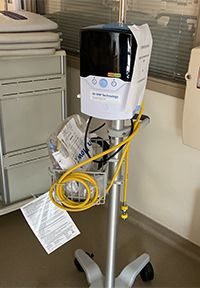
Alzheimer’s disease affects 6.5 million older Americans, and most earlier anti-amyloid drugs performed no better than placebo. Lecanemab slowed deterioration by 27 percent in its latest trial — not definitive, but more promising than prior candidates.
Published: February 7, 2023

Technology in Action: Can technology decrease in-person prenatal care visits but improve care?
U.S. guidelines recommend 12 to 14 in-person prenatal visits, more than most peer countries, without evidence that fewer visits worsen outcomes. Remote monitoring could cut in-person visits for low-risk patients and free physician time for high-risk pregnancies.
Published: February 7, 2023
The Medication Adherence Epidemic: How to KEEP Patients Healthy
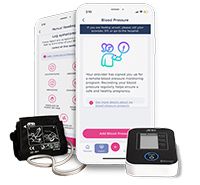
Nearly 60 percent of chronically ill patients do not follow their prescribed regimens, and poor adherence drives over 30 percent of medicine-related admissions. New tools aim to measure and improve adherence, which some argue would yield more population health benefit than novel therapeutics.
Published: February 7, 2023

Technology in Action: Multiplex PCR in the Tripledemic
During the winter “tripledemic,” standard tests detected only one pathogen at a time and were either slow or less sensitive. Multiplex PCR screens for RSV, influenza, and COVID-19 at once, speeding clinical decision-making.
Published: February 2, 2023

Digital Biomarkers Provide a Way for Doctors & Patients to Work Collaboratively at a Distance
Digital biomarkers are physiological and behavioral signals captured by smartphones, wearables, and sensors. They let clinicians track disease progression and treatment response remotely, from cardiac monitoring to screening for premature birth.
Published: February 2, 2023

Endoscopy is the standard of care for many upper GI conditions but requires sedation and a specialist at the bedside. The MAGNET study is the first U.S. trial of magnetically controlled capsule endoscopy, a less invasive way to visualize the stomach.
Published: January 31, 2023

Volume 2 Issue 1
Targeted Temperature Management: Controversy Surrounding Post-Cardiac Arrest Care
Most cardiac arrest survivors do not immediately regain consciousness after circulation returns, and post-arrest brain injury from cerebral ischemia remains a leading cause of lasting neurological harm. Targeted temperature management is a cornerstone of post-arrest care, but the optimal temperature target and the role of hypothermia remain debated.
Published: July 15, 2026

Transportation Is Clinical Care: Why Washington, DC’s Ride Infrastructure Matters for Patient Access
Missed rides turn care plans into emergency visits and readmissions, and DC’s transit is hard for elderly and disabled patients to navigate. The infrastructure exists — non-emergency medical transportation is a guaranteed DC Medicaid benefit — but clinicians often do not know how to access it.
Published: July 6, 2026

Reframing the “Weekend Effect”: From Hospital “Failure” to System-Level Selection
The “weekend effect” — higher mortality among weekend admissions — has been blamed for two decades on thin staffing and delayed diagnostics. Newer, better-adjusted studies suggest it reflects which patients arrive and how sick they are, not a failure of weekend care.
Published: July 2, 2026

Half the world cannot obtain necessary health services, and power and connectivity gaps block conventional electronic records. NIROG, used in the Rohingya refugee camps, runs offline on solar-powered tablets and issues barcoded medical ID cards.
Published: July 1, 2026

Residency rarely teaches the business of medicine, leaving new physicians to negotiate contracts and read reimbursement models unprepared. An 18-month pilot curriculum covering finance, negotiation, billing, and malpractice raised residents’ knowledge and comfort.
Published: June 10, 2026

When Pain Meets Policy: Medicare at a Crossroads
Medicare guidelines endorse multimodal, non-opioid pain care, and Part B covers physical therapy and acupuncture — yet the incentives cut the other way. Interventional pain procedures fell nearly 17 percent from 2019 to 2024, a retreat toward a pharmacologic default.
Published: February 16, 2026

Closing the Screening Gap: Opt-Out HIV and Hepatitis C Testing in Emergency Care
Roughly 30 percent of emergency patients have no primary care provider, making the ED a natural place to catch undiagnosed HIV and hepatitis C. GW’s opt-out approach folds screening into routine workflow in a city where about 1.7 percent of residents live with HIV.
Published: January 23, 2026

Expanding the Mission of Emergency Care: The Case for Cancer Screening
Cancer screening depends on primary care that roughly 100 million Americans cannot reach, pushing diagnoses to later stages. The emergency department, often their only point of contact, could extend screening to those patients.
Published: January 23, 2026

Anxiety and depression affect nearly one in five U.S. adults, yet under 5 percent of ED patients are formally screened despite up to 30 percent showing symptoms. AI-based screening could catch these conditions earlier where the PHQ-9 and GAD-7 go unused.
Published: January 23, 2026

Volume 2 Issue 2
AI Death Calculator (Life2vec)
Life2vec, trained on records from more than 3.2 million people, predicts individual mortality with 78 percent accuracy over four years — better than actuarial life tables. It was released publicly as a chatbot-style “AI Death Calculator” in December 2023.
Published: March 19, 2024
Reimagining Pressure Injury Prevention: A Smart Sensor Solution
Pressure injuries affect up to 38 percent of patients and cost more than $26.8 billion a year, yet prevention still leans on the decades-old Braden scale. A mattress-mounted wireless sensor detects real movement and alerts staff when a patient has not shifted.
Published: June 8, 2025
Surgeon General’s Advisory on Social Media Use and Youth Mental Health: A Public Health Crisis
The Surgeon General has called for warning labels on social media, citing near-universal teen use and evidence of mental health harm. Teens using it more than three hours a day face double the risk of depression and anxiety.
Published: June 8, 2025
The Role of Virtual and Augmented Reality in Neurological Surgery Training
Virtual and augmented reality now support neurosurgical planning, guidance, and follow-up, especially for cerebrovascular work near critical vessels. Resident education has been slower to adopt them, though they help trainees learn anatomy and rare procedures.
Published: June 8, 2025
The Expansion of Exposure Notification Software to Enhance Disease Surveillance and Ring Vaccination
Ring vaccination works only if exposed contacts are found fast, and manual tracing is slow and labor-intensive. The smartphone exposure notification software built for COVID-19 could be expanded to speed surveillance and contact identification.
Published: January 29, 2026
Integrating Public Health and Policy Education in Medical Curricula
Medical training has centered on clinical science, even as social and economic factors increasingly drive outcomes. Frameworks such as Health in All Policies and the AMA’s curriculum initiative push public health and policy into the classroom, against competing demands.
Published: July 10, 2024
Academic Accelerators: A Unique Channel for Health Care Innovation
Early-stage health companies depend on institutional backing, and academic medical centers are now building accelerators modeled on Y Combinator. These programs supply mentorship and networks that capital alone never did, turning clinical expertise into viable startups.
Published: January 23, 2024
Bringing Emergency Medicine Innovation Into Medical Student Electives
Innovation shapes patient flow, wait times, and safety, yet medical students get little structured exposure to it. An emergency medicine innovation elective could fill that gap, covering AI, blockchain, virtual reality, mobile health, and 3D printing.
Published: September 18, 2024
Health Insurance In The United States: Challenges And A Path Forward
U.S. health insurance is a patchwork of Medicare, Medicaid, CHIP, and employer coverage that still leaves millions uninsured. High per-capita spending, volume-driven incentives, and weak coordination produce preventable hospitalizations and worse outcomes than peer nations.
Published: June 3, 2024
Post-Discharge Clinics: A Potential Solution to Hospital Readmission Rates
Between 15 and 21 percent of older adults are readmitted within 30 days, at a cost of $52.4 billion in 2013. Post-discharge clinics seeing patients within 7 to 14 days can reconcile medications and educate patients, reducing those returns.
Published: August 12, 2024
Surgeon General’s Advisory on Firearm Violence: A Public Health Crisis
In June 2024 the U.S. Surgeon General issued the first advisory on firearm violence, calling it a public health crisis as firearms became the leading cause of death among children. In 2022, 56.1 percent of firearm deaths were suicides and 40.8 percent homicides.
Published: September 23, 2024
Eat Freely, Live Fully--Breaking Barriers for Dietary Restrictions
About 6.2 percent of U.S. adults have food allergies, and no federal standard requires allergen labeling on restaurant menus. Existing apps filter by restaurant rather than by dish, so the authors argue for menus that flag safe items at the individual level.
Published: June 8, 2025
Hospitals lose track of wheelchairs, lack central return points, and delay discharge and surgery for patients with disabilities. The authors propose GPS tracking for real-time location, plus ergonomic redesign so clinicians can perform exams often skipped for seated patients.
Published: June 8, 2025
Inside an Emergency Room in Vietnam
A rotation in a Vietnamese emergency department revealed a ward sharing one stethoscope, paper charts, physical x-ray film, and posted prices. Training differs too: physicians begin medical school straight from high school and gain procedural independence early.
Published: June 8, 2025
Diabetes costs the health system over $413 billion a year, much of it from emergency visits for severe glucose swings. Only half of type 1 and a fifth of type 2 patients use continuous glucose monitors — widening access could cut those visits.
Published: June 8, 2025
Substance use accounts for roughly half of more than 4.9 million drug-related emergency visits. Intervention with referral to treatment is linked to a 67 percent drop in illicit drug use, supported by the SBIRT screening framework.
Published: September 10, 2025
